Technology for Change: Adapting for the person rather than adapting the person
Welcome to Technology for Change, a new blog series featuring BC Tech for Learning client stories. We look forward to using this series to highlight the various ways donated technology is used to ensure British Columbians from all different backgrounds do not fall behind in the digital age. Do you have a story to share? Please send an email to Keely so we can collaborate to bring it to a wider audience.

Picture a world where the challenges you face are met with opportunity. What would our society look like if everyone were willing to make accommodations and remove barriers so that a person facing various obstacles in life could achieve their goals?
For many folks across the world, something like working in a coffee shop is not possible without accommodations. If you have mobility issues with your hands, whipping up specialty coffees for an 8-hour shift can be difficult. If you have a visual impairment, many point of sale machines are not equipped with screen readers and accessibility software to help you succeed at work.
The Diversity Den Society was founded on the premise of changing the activity, rather than changing the person.
Co-founder Elizabeth Eckert didn’t realize quite how different the idea was until others started to point it out.
“It’s a very unique story as to why this all came about, and I owe all of it to my son Anakin”, she says.
Born incredibly premature, the fact that Anakin is here today is a miracle on its own. He navigates many challenges, including being legally blind. Becoming his caregiver allowed Elizabeth to see gaps in society and barriers that exist for people like Anakin with “diversabilities”.
Seeing a world customized to support visual impairments also allowed Elizabeth to see how many barriers are socially constructed, and how they don’t stem from the diversability.
The vision for the Diversity Den was born out of Elizabeth’s realization of these gaps. A paradigm shift within her own family allowed her to wonder how they could make society more accessible to facilitate what is organic for the person with the diversability - changing the environment instead of trying to change the person.
Elizabeth asked Anakin what he would want to see within a space that could support him with multiple life goals. What would he create with no limits?
The result of this conversation was an idealistic but heartwarming world. While they cannot create this world, Elizabeth, Anakin, her daughter Dierdre and a team of dedicated volunteers have built the Diversity Den Society and an array of programs with these goals in mind.
The Diversity Den will start with the exploration of art, with the support of volunteers who are prepared to support any areas of art that participants are interested in.
Elizabeth has plans for an art program with participants interested in clay moulding, painting, making their own comics, and creative writing. Anakin and friends already meet to talk about their various writing projects. The Diversity Den has plans to build slowly so that they will be able to support a variety of artistic endeavours long-term. An exploration of music and social connection will follow.
The main goal of the Diversity Den Society? Asking “What are your interests, and how can we help you explore them?”
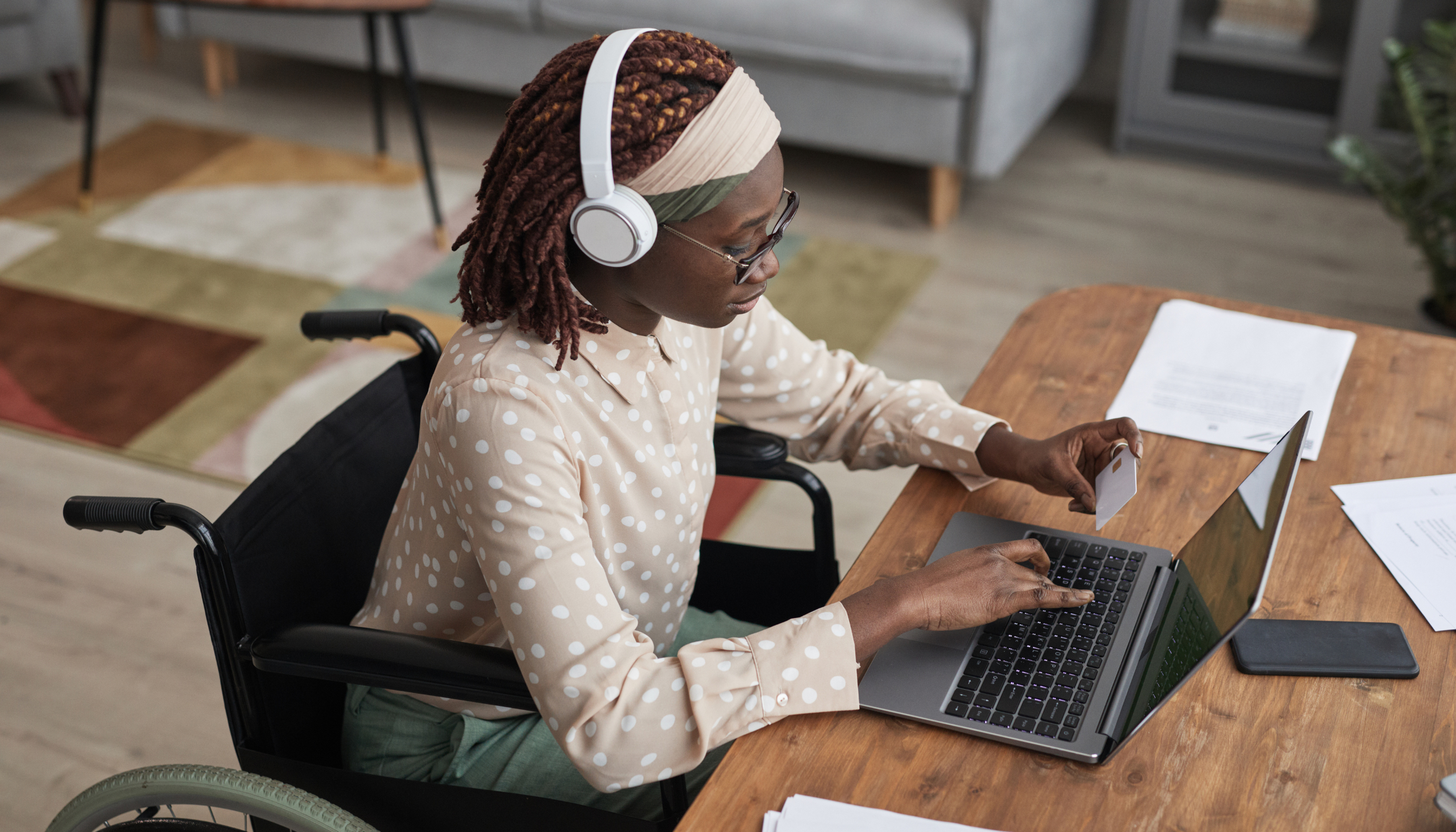
With big dreams for an accessible world, of course, technology comes into play. Elizabeth plans to have volunteers available who can support program participants with using computers to create, with comic design and creative writing as examples for now.
The Diversity Den Society recently decided to offer a digital literacy program, knowing that there is a need to support those with diversabilities with digital literacy. Elizabeth previously expanded a small Digital Literacy program at the Literacy Society of the North Okanagan, and currently has 3 confirmed volunteers, plus herself, ready to support the program at the Diversity Den. The program will have a strong focus on online safety.
While the need for accessibility is at an all-time high, funding is at an all-time low. In 2025, non-profit organizations across the province are no strangers to economic challenges. To fund the Society, Elizabeth created a community contribution company: a café where 60% of profits will go directly to Diversity Den Society, and 40% will go back into the café.
The café also serves as an opportunity for those with diversabilties who come through the Diversity Den Society to regain independence through employment. The café provides the training and creates positions for people based on their strengths, natural skills and interests, while appreciating their diversabilities. Suppose that a woman who has applied for a position can only work for 15 hours per week and has limitations that would conflict with a typical barista position. This café will create a customized position for her, with another employee stepping up to cover areas of needed support.. Anakin, being legally blind, cannot read many labels, so instead of being unable to do the role of making and serving coffee, another staff member will read for him.
“It’s a beautiful lens to look at someone and say ‘you have so much to offer’”, says Elizabeth.
Elizabeth believes society is starting to see abilities and strengths. We can change our standard expectations to bring people as far as they want to go, and accommodate for the parts that are not accessible. The Diversity Den and the café focus on changing the job, rather than changing or denying the person.
The café will provide training to all employees on a computer, including access to FOODSAFE and training videos.
“Technology is pretty much key in everything now,” says Elizabeth. “Every program we offer has a digital component.”
The digitization of everyday activities such as filling out forms, visiting the doctor, and accessing government documents and services has happened swiftly, and left many people who do not own a device or lack digital skills facing multiple challenges. Training can easily be made available, but access is a whole different story. New devices are not cheap, and many British Columbians struggle to afford a computer, which has become a bare necessity.
“I was really worried about how we were going to do the digital component for all the training and the Digital Literacy program before I found [BC Tech for Learning], Elizabeth says. It was a substantial amount of money to purchase the necessary technology, and she was unsure where it would come from. Ideas such as limiting programming and partnering with other organizations were being tossed around at the time.
“When we got the pallet of stuff, we set it up right away.” Devices were set up at a station, and pictures were sent off. Followers of the Diversity Den Society were amazed by how the space came to fruition.
Digital literacy skills and access to reliable computers and laptops are critical in ensuring the activation of both the Diversity Den and the café that serves as a cost-recovery mechanism for the society. Without low-cost refurbished technology, the space would have looked completely different.
Through the Computers for Schools Plus program, BC Tech for Learning was able to provide devices that ensured the training and digital literacy support would be available to volunteers, members and individuals needing support to gain crucial digital skills.
Your Donations Matter.